
As the sports betting industry continues to evolve, the coexistence of prediction markets and traditional sportsbooks has become an increasingly prominent topic of discussion. While these two entities may appear to be at odds, a closer examination reveals a more nuanced relationship, one that is being shaped by regulatory frameworks and the growing acceptance of alternative betting platforms.
Prediction Markets: An Emerging Force
Prediction markets, also known as “information markets” or “event futures,” are a unique form of betting platform that allows participants to wager on the outcome of future events. Unlike traditional sportsbooks, which often rely on bookmakers to set the odds, prediction markets harness the collective wisdom of the crowd to generate probabilities and odds.
These platforms have gained traction in recent years, particularly in the realm of sports betting, where they offer an alternative to the more established sportsbook model. Proponents of prediction markets argue that they provide a more accurate and efficient means of predicting outcomes, as the collective knowledge of the participants is reflected in the market prices.
The Rise of Prediction Market Partnerships
One notable development in the sports betting landscape is the growing number of partnerships between prediction markets and professional sports leagues. The most recent example is the Major League Soccer (MLS) league, which has forged partnerships with several prediction market platforms, including PredictIt and Kalshi.
These partnerships signify a softening of stances towards alternative betting platforms, as leagues that were once wary of the potential risks associated with prediction markets now see the value in embracing these emerging technologies. By aligning with prediction markets, MLS and other leagues can potentially tap into new revenue streams and engage with a broader audience of sports enthusiasts and bettors.
Traditional Sportsbooks: Adapting to Change
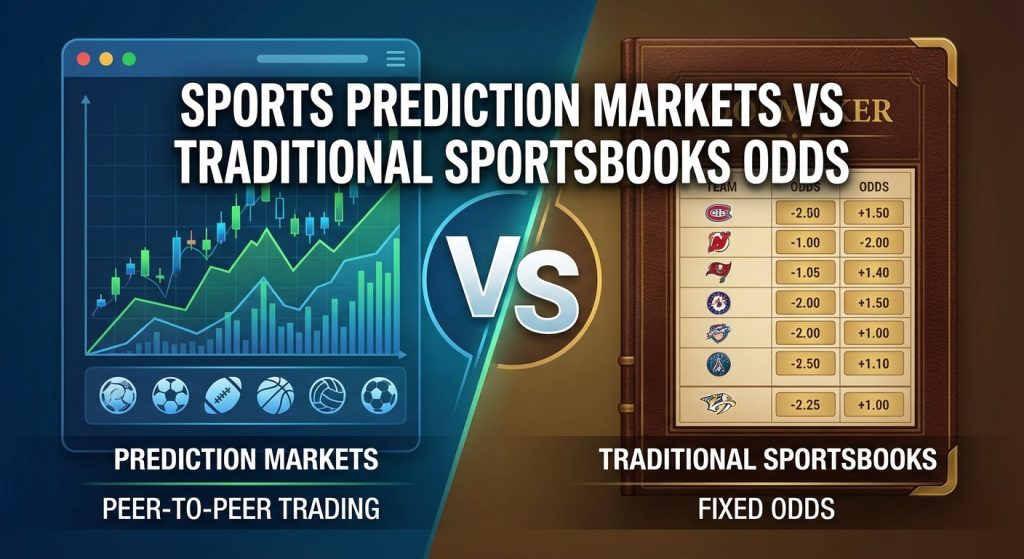
While prediction markets are making inroads, traditional sportsbooks remain a dominant force in the sports betting industry. These established platforms, often operated by well-known brands, have long been the go-to destination for sports bettors seeking a familiar and regulated environment.
Regulatory Landscape and Coexistence
The coexistence of prediction markets and traditional sportsbooks is largely shaped by the regulatory landscape in which they operate. In many jurisdictions, prediction markets face a more ambiguous regulatory environment, as they often fall outside the scope of traditional sports betting regulations.
Traditional sportsbooks, on the other hand, are typically subject to a more well-defined set of rules and licensing requirements. This regulatory clarity has helped to solidify the position of sportsbooks, as they can offer a level of stability and trust that may be lacking in the prediction market space.
However, as prediction markets continue to gain traction and regulatory frameworks evolve, the lines between these two entities may become increasingly blurred. Some experts believe that the future will see a coexistence of these platforms, with each offering unique value propositions to sports bettors.
Embracing Innovation and Adapting to Change
As the sports betting industry continues to evolve, both prediction markets and traditional sportsbooks will need to adapt to changing consumer preferences and regulatory environments. This may involve strategic partnerships, product diversification, and a willingness to embrace new technologies and approaches.
Leveraging Data and Analytics
One area where prediction markets and sportsbooks can potentially converge is in the realm of data and analytics. Prediction markets, with their crowd-sourced approach to odds-setting, can provide valuable insights into the collective wisdom of bettors. Sportsbooks, on the other hand, have access to vast troves of data on betting patterns, player performance, and market trends.
By combining these data sources and leveraging advanced analytics, both prediction markets and sportsbooks can potentially enhance their decision-making processes, improve their product offerings, and provide a more personalized and engaging experience for sports bettors.
Regulatory Adaptations
As the sports betting industry continues to evolve, regulatory bodies will also need to adapt to ensure a fair and transparent marketplace. This may involve the development of new frameworks that account for the unique characteristics of prediction markets, while still maintaining the integrity and consumer protections associated with traditional sportsbooks.
By working collaboratively with industry stakeholders, regulatory bodies can help to foster an environment that encourages innovation, promotes responsible gambling, and ensures the long-term sustainability of the sports betting ecosystem.
In conclusion, the coexistence of prediction markets and traditional sportsbooks is a complex and evolving landscape, one that is being shaped by regulatory frameworks, consumer preferences, and the industry’s collective ability to adapt to change. As the sports betting industry continues to evolve, it will be crucial for both prediction markets and sportsbooks to stay nimble, embrace innovation, and prioritize responsible gambling practices to ensure the long-term success and sustainability of the industry.
Remember, responsible gambling is essential. If you or someone you know has a gambling problem, seek help from a qualified professional or contact a gambling helpline.
No Responses